Most sugar reduction projects fail not on sweetness but on body. Flavour is a powerful tool in this picture; but the load it can carry alone has a clear limit.
A sugar reduction request rarely originates at the R&D table; it comes from outside. A retail chain's private-label specification sets a threshold, a label expectation in an export market makes a claim mandatory, a competitor in the category relaunches its packaging. And when the request comes down to the laboratory, the work does not turn out to be the sweetener-selection exercise people assume. Because sugar was not delivering sweetness on its own in that product.
Sugar is not a taste, it is a building material
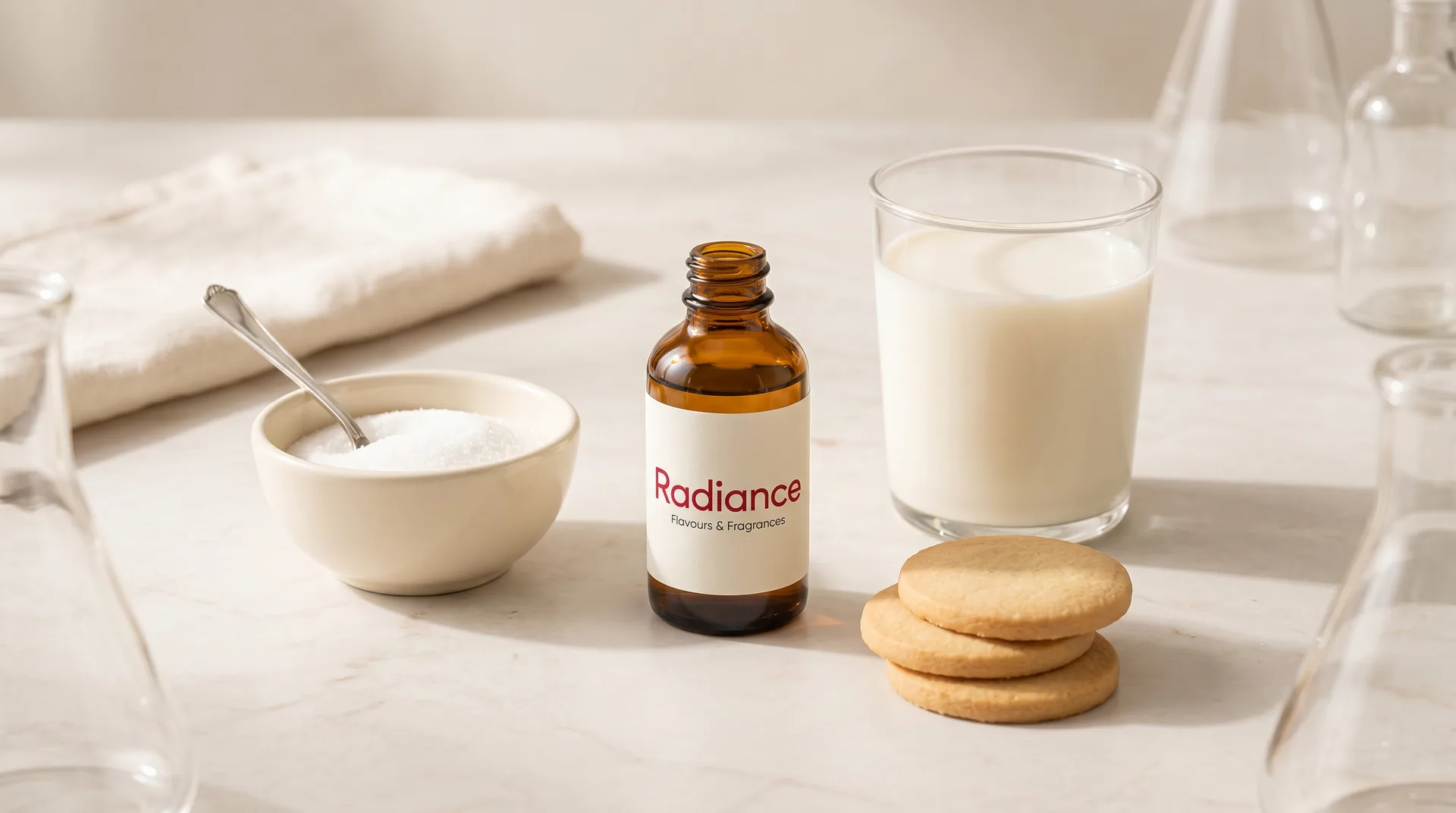
In a biscuit, a filling or a beverage, sucrose does several jobs at once. It gives sweetness, yes. But alongside that it creates fullness and body in the mouth, it determines viscosity, in the oven it produces colour and that characteristic baked note through Maillard and caramelisation, in ice cream it lowers the freezing point and controls crystal size, in jam and filling it binds water and lowers water activity, extending the shelf life. It occupies a significant place by mass; take it out and a physical void is left in the formula.
A high-intensity sweetener does only one of those jobs: sweetness. It enters not in grams but in milligrams. Which means nobody has taken over the volume, texture, colour and water-binding functions sugar was performing. Most sugar reduction projects come back from the first sensory round not because the sweetness is too low but because the product feels "empty".
The problems the sweetener brings with it
The sweetener you put in its place is not neutral either. Steviol glycosides have a well-known metallic and bitter aftertaste; their sweetness rises late, falls late and lingers in the mouth. Sucralose gives a cleaner profile but at high dosage leaves a sharpness of its own and, again, an extended tail. Sugar alcohols bring a cooling effect and, with dose, a digestive load.
Consumers do not describe this in technical terms. They say "something stays in my mouth afterwards", "it tastes artificial", "the first bite is fine but it does not hold". On a sensory panel, separating out what lies behind those phrases with a shared vocabulary is the precondition for choosing the right correction. Any intervention made without measuring the sweetness curve over time is made blind.
What flavour genuinely does in this picture
Flavour works on two fronts here. The first is masking: covering the bitter and metallic aftertaste, shortening the sweetener's tail. The second, and the more interesting one, is raising perceived sweetness. Notes such as vanilla, caramel, milk and baked cereal have been learned together with sweetness in the consumer's mind; add them to the product at the right dose and perceived sweetness rises even though the sweetness you measure on the tongue has not changed. In fruit products, ripe fruit notes and a light green-fresh contrast do the same job.
This is an area that looks simple on paper but demands fine tuning in practice. Raise the dose and the product turns perfumed; keep it low and no effect is seen at all. And as the matrix changes the threshold shifts — the same formulation comes out sharper in a fat-reduced filling. That is why a sugar reduction flavour is not picked off the shelf; it is built on that product's own matrix, on the road from brief to application testing.
Where flavour stops
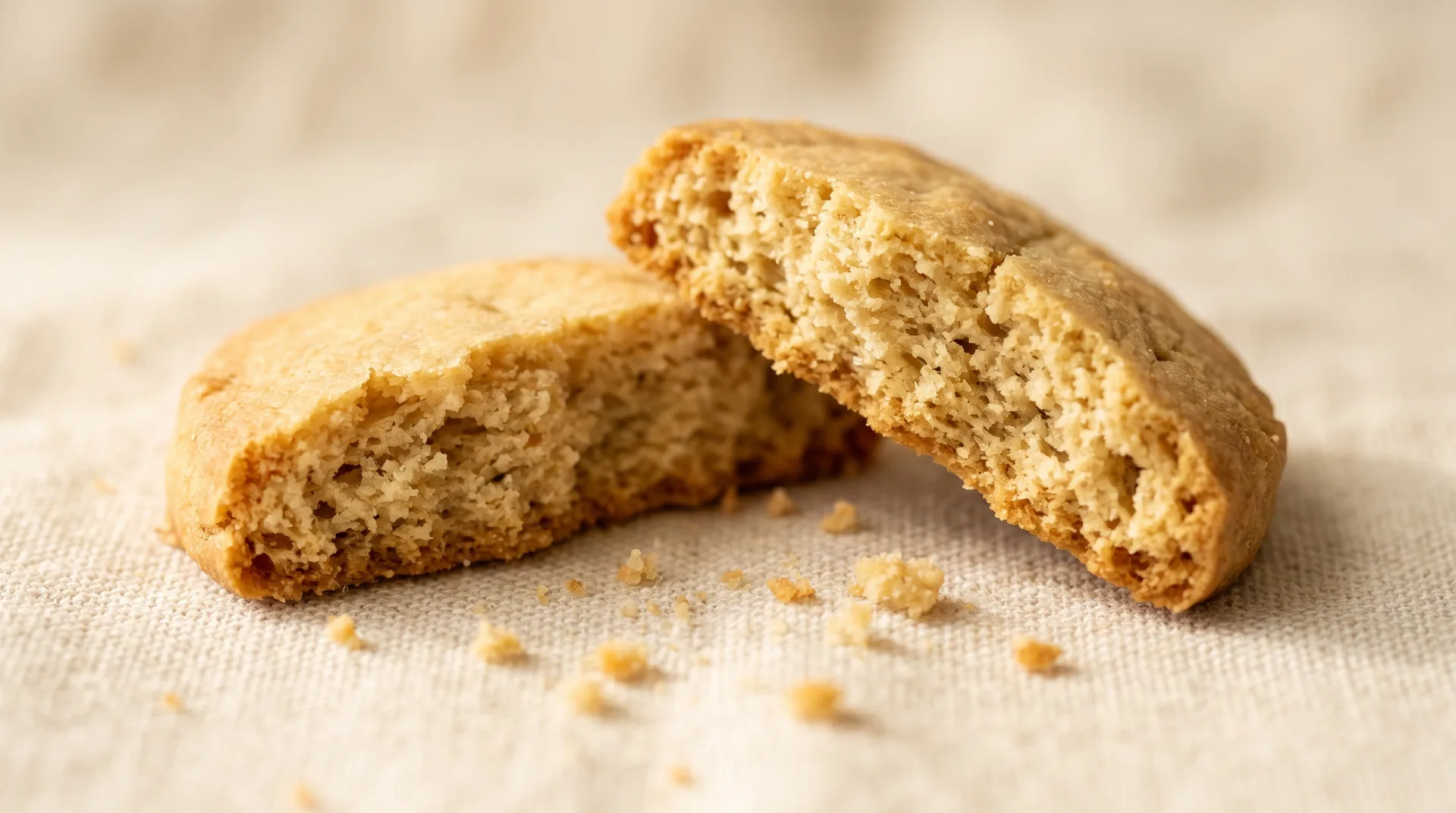
Flavour cannot bring back lost body. That watery, thin, empty sensation in the mouth is not closed with a flavour dose. If sugar has been removed by mass, something has to go in by mass: polydextrose, inulin, resistant dextrin, fibre and starch derivatives where appropriate, viscosity adjustment with hydrocolloids in beverages. Recovering the colour and the baked note that came from Maillard and caramelisation also requires a separate solution on the process side.
When a sugar reduction project runs in the right order, it proceeds like this:
- Break down the functions sugar performs in that product: sweetness, body, mass, colour, water activity, shelf life.
- Close the mass and texture gap with a bulking agent and a texture system. If this step is skipped, everything that follows is a patch.
- Choose the sweetener and its dose not in isolation but together with the sweetness curve over time inside the product.
- Bring flavour in last: mask the remaining off-note, put perceived sweetness and character back in place.
- Set up the sensory panel as a blind comparison against the reference product and repeat it across the shelf life.
Every formulator knows what happens when the order breaks down: projects that bring flavour forward and leave body until later end up having to rebuild the flavour dose from scratch once the product takes its final form. The work done goes in the bin.
“Flavour does not fill the gap sugar leaves; it makes the area around that gap believable again.”
Shelf life, a separate examination
Do not forget that water is freer in a sugar-reduced product. As water activity rises, both microbiological risk and the chemical stability of the flavour are affected. A masking system that works perfectly in the sample can collapse as the shelf life progresses and the sweetener's bitter tail comes back; because some of the flavour components have evaporated or interacted with the matrix. In products of this kind, encapsulated solutions and monitoring carried out across the target shelf life are part of the project plan from the very beginning.
Then there is the label side. Against which threshold and which reference a reduced-sugar claim may be made depends on the current regulation of the target market and varies from market to market. That is precisely why information such as target market, dosage and shelf life expectation should be sent to us together with the sample request. In projects where R&D and the regulatory side do not sit at the same table, a formula that holds up in the laboratory is rewritten from scratch because it fails to support the claim at the labelling stage.
Putting flavour in the right place
The sugar reduction pressure coming from retail and export has become permanent. But every project that answers that pressure with "we will sort it out with flavour" hits the same wall. Flavour, when it is built correctly, raises perceived sweetness, shortens the off-note and keeps the character of the product standing. Body, mass and water have to be carried by the rest of the formulation.
If you have a product with a sugar reduction target on your desk, the job to do before moving to flavour trials is this: write down one by one the jobs sugar performs in the existing formulation — sweetness, mass, viscosity, colour, water activity, shelf life — and put next to each of them who is going to take that job over. The line that is left blank is the real problem of the project. When the flavour work begins after that table is filled in, it both takes less time and stays where it lands.